Health and Safety Policy for Gardeners Turnpike Lane
 Health and safety is central to every task carried out by gardeners in Turnpike Lane. Whether work involves routine maintenance, planting, pruning, lawn care, or site clearance, a clear policy helps protect people, property, and the surrounding environment. This policy sets out the standards expected from anyone carrying out gardening work, with a focus on safe working methods, sensible planning, and respectful site management. It applies to all regular and occasional jobs, from small private gardens to larger shared outdoor spaces.
Our approach is based on prevention. We aim to identify hazards before work begins, reduce risk through careful preparation, and maintain a tidy, controlled work area throughout the task. In practice, that means using suitable tools, checking equipment before use, keeping pathways clear, and ensuring all work is done with attention to the safety of clients, workers, visitors, and passers-by. Safety is never treated as an afterthought; it is built into each stage of the work.
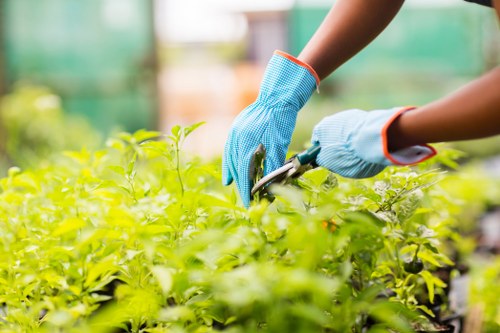
 All garden services in Turnpike Lane should be delivered by trained personnel who understand the safe use of machinery, manual handling, and the handling of plants, soils, and common outdoor materials. Team members are expected to wear appropriate personal protective equipment where required, including gloves, sturdy footwear, eye protection, and hearing protection for louder equipment. Responsible gardening practice also includes recognising weather-related risks, such as slippery ground, heat stress, and poor visibility.
Risk assessment is an essential part of the policy. Before work starts, the site should be reviewed for trip hazards, unstable surfaces, concealed objects, overhead obstacles, and any signs of unsafe access. Special care is taken around steps, uneven paving, water features, and areas with limited space. Where needed, tasks are adjusted so that the safest method is used rather than the fastest. This may include using hand tools instead of powered tools, breaking work into smaller stages, or postponing work if conditions become unsafe.
 Machinery and tools must be maintained in good working order at all times. Blades should be sharp and secure, cables should be intact, and fuel or power sources should be handled according to safe procedures. Any faulty equipment must be removed from use immediately. Gardeners must also keep a safe distance from others when operating tools and must never leave machines unattended while running. Clear communication is important, especially when multiple people are working in the same area.
Manual handling is another key concern. Many gardening tasks involve lifting bags, moving soil, carrying pots, or transporting heavy waste. These tasks should be assessed to avoid strain or injury. Workers are encouraged to use proper lifting techniques, share loads where possible, and use trolleys or other aids for heavier items. Good planning can reduce unnecessary effort and help maintain a safe working pace throughout the day.
Environmental safety matters as well. Gardeners should manage waste responsibly, separate recyclable materials where possible, and avoid leaving cuttings, debris, or tools in places where they could cause harm. Pesticides, fertilisers, and other treatments must be stored and used carefully, following product instructions and avoiding contamination of water, soil, or nearby planting. Careful handling of all substances helps protect both people and the wider landscape.
Training and supervision support the policy by making sure all workers understand safe procedures and expected standards. Induction should cover equipment use, emergency actions, hazard awareness, and the importance of reporting concerns promptly. Supervisors should monitor work quality and safety throughout the job, especially when tasks involve ladders, cutting equipment, or work near roads, driveways, or shared entrances. If unsafe conditions are found, work must pause until the issue is controlled.
 Emergency readiness is part of every safe gardening operation. Workers should know what to do in case of injury, equipment failure, fire, or sudden weather changes. Basic first aid supplies should be available, and incidents should be reported and recorded promptly so that lessons can be learned. The aim is not only to respond well to problems, but also to prevent them from happening again. This commitment supports a safer standard for all garden care services delivered in the area.
Good housekeeping is a simple but effective safety measure. Tools should be stored correctly, walkways should remain clear, and waste should be removed promptly after the work is complete. Clients and site users should be informed about any temporary restrictions, such as freshly treated surfaces or recently pruned areas. Attention to detail reduces the chance of accidents and helps maintain a professional service throughout each visit.
 Our policy is reviewed regularly to ensure it remains practical, current, and effective. As working methods, equipment, and site conditions change, safety practices must evolve too. The goal is to deliver reliable Turnpike Lane gardening services while protecting everyone involved. By combining planning, training, inspection, and responsible conduct, we maintain a safe environment and uphold a high standard of care in every outdoor project.