What to know about Haringey Council garden waste rules
If you live in Haringey and your garden seems to produce a never-ending pile of grass cuttings, hedge trimmings, leaves, and the odd stubborn branch, the council rules around garden waste can save you a lot of hassle. They also prevent the classic mistake of putting the wrong thing out at the wrong time and then wondering why it was left behind. Truth be told, that happens more often than people admit.
This guide explains what to know about Haringey Council garden waste rules in plain English: what usually counts as garden waste, what typically causes problems, how to stay on the safe side, and when it makes sense to use a professional service instead. If you want a practical, no-nonsense overview, you are in the right place.
Table of Contents
- Why these garden waste rules matter
- How the system usually works
- Key benefits and practical advantages
- Who needs this and when it makes sense
- Step-by-step guidance
- Expert tips for better results
- Common mistakes to avoid
- Tools, resources and recommendations
- Law, compliance, standards and best practice
- Options and comparison
- Case study or real-world example
- Practical checklist
- Conclusion
- Frequently asked questions
Why What to know about Haringey Council garden waste rules Matters
Garden waste sounds simple until you are standing beside three bags of hedge clippings, a pile of soil, and a broken plant pot that somehow ended up in the same corner. The rules matter because councils handle different materials in different ways, and garden waste is not treated like ordinary household rubbish.
In practical terms, knowing the rules helps you avoid missed collections, contaminated loads, unnecessary fees, and that awkward moment when you have to drag the bags back in because they were not accepted. It also helps you manage your garden more efficiently. If you are planning a tidy-up, a bigger clear-out, or even a one-off seasonal reset, understanding the basics first usually saves time later.
There is another reason too: waste that is sorted properly is generally easier to recycle or compost. That is one of the quieter benefits people overlook. The goal is not just to remove debris from sight. It is to deal with it in a way that is tidy, sensible, and in line with local expectations.
Key takeaway: The safest approach is to separate true garden waste from soil, rubble, plastic, timber, and general household rubbish before you put anything out for collection.
How What to know about Haringey Council garden waste rules Works
While exact collection arrangements can change, the general idea is usually straightforward: garden waste needs to be presented in the way the council accepts, on the day it is scheduled, and in the form requested. That may mean specific bins, authorised bags, or other collection methods depending on local arrangements.
What tends to catch people out is the difference between garden waste and garden-related waste. They are not always the same thing. Grass cuttings, leaves, weeds, small prunings, and hedge trimmings are the sort of material most people think of first. But heavier or mixed items often fall outside standard garden collections. Soil, turf, stones, planters, and treated wood are common examples that need extra care.
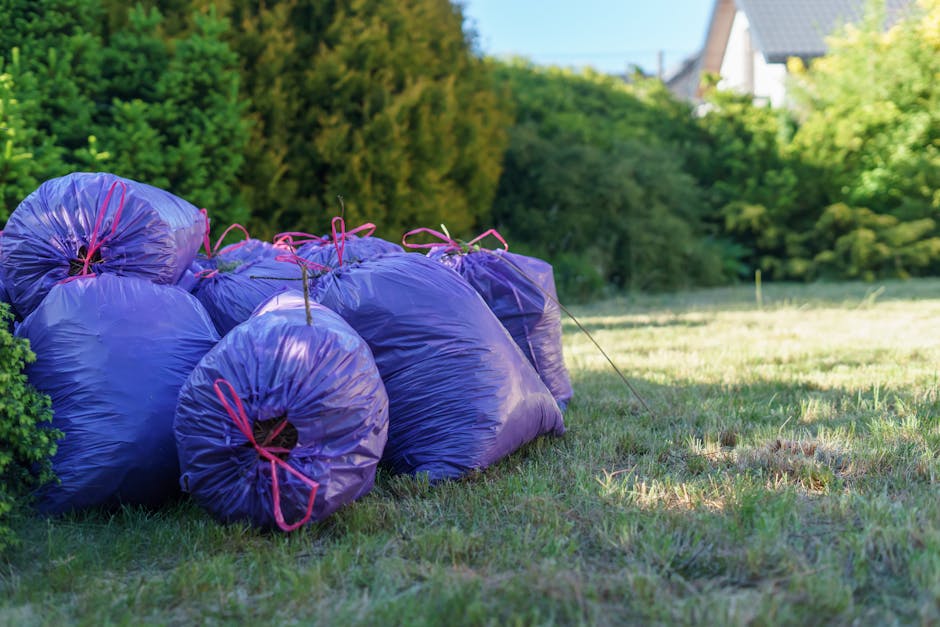
Another practical point: collections are usually much more reliable when the material is dry enough, bagged neatly, and free from contamination. Wet, compacted garden waste can be much heavier than expected. If you have ever tried lifting a bag of soggy leaves on a damp November morning, you will know exactly what I mean. Not fun.
For bigger jobs, some residents decide that a council collection is not the most efficient option at all. That is where a planned clearance service can be useful, especially if the garden has a mix of cuttings, overgrowth, and awkward waste that would take several rounds to sort. In those situations, services like garden clearance or regular garden maintenance can reduce the amount of waste you need to manage yourself.
What usually counts as garden waste
- Grass cuttings
- Leaves and small twigs
- Weeds and plant trimmings
- Hedge clippings
- Small branches, where permitted
What often causes problems
- Soil, turf, and compost in large amounts
- Rocks, rubble, bricks, and paving fragments
- Plastic plant pots, ties, and packaging
- Timber, fencing offcuts, or treated wood
- Mixed household rubbish hidden inside garden bags
If you are dealing with a larger pruning job, the waste stream becomes more complicated very quickly. In that case, something like hedge trimming or tree surgery may create more material than the usual bin or sack system is designed for. That is where planning matters.
Key Benefits and Practical Advantages
Getting garden waste right is not only about compliance. It also makes life easier in a few very ordinary but important ways.
- Less mess around the property: You are not left with piles sitting in the corner of the garden for days.
- Fewer rejected collections: Properly sorted waste is far more likely to be accepted first time.
- Cleaner garden surfaces: When waste is removed promptly, lawns, patios, and borders stay healthier and easier to work on.
- Better planning for seasonal work: Spring clear-ups and autumn leaf fall become more manageable.
- Lower risk of accidental contamination: Simple sorting avoids the usual mix-ups with household rubbish or building debris.
There is also a financial upside. A well-planned clear-out often costs less in time and disruption than dealing with a failed collection or a rushed last-minute solution. If you are comparing options, it may be worth looking at pricing and quotes before deciding whether to do everything yourself.
And let's be fair: most people would rather spend an hour enjoying the garden than chasing bags around or re-sorting waste on a Sunday afternoon. That part never gets old.
Who This Is For and When It Makes Sense
These rules matter to a wide range of people, not just those with big gardens. A small front patch can still produce more waste than expected after a trim, especially if you keep hedges tidy or cut the lawn often.
This guide is especially useful if you are:
- a homeowner keeping on top of regular garden maintenance
- a tenant wanting to avoid a collection issue
- a landlord preparing a property between occupiers
- a gardener managing waste from routine work
- someone planning a larger seasonal tidy-up
- anyone unsure what can go with garden waste and what cannot
It also makes sense if your garden includes more demanding features. For example, a property with mature shrubs, trees, decking edges, fencing lines, or a patio can generate mixed waste quickly. In those cases, a bit of structured planning saves a lot of back-and-forth. Services such as lawn care, lawn mowing, fencing, or patio cleaning can all be part of a broader tidy-up that generates garden waste along the way.
Sometimes the right answer is simply: do the small stuff yourself and get help with the rest. Nothing wrong with that at all.
Step-by-Step Guidance
If you want to keep things simple, use this process before any garden waste collection or clearance job.
- Separate the waste by type. Keep green waste apart from soil, wood, plastics, and rubble.
- Check what you have actually produced. A hedge trim, for example, can create a surprising amount of material once cuttings settle.
- Remove contamination. Pull out ties, pots, metal, packaging, and anything else that does not belong.
- Reduce volume where possible. Chop larger branches down to a manageable size if safe to do so.
- Use the correct container or collection method. If the council expects a specific format, follow that exactly.
- Put waste out at the right time. Collections are easier when bags are ready and presented properly.
- Confirm what happens to rejected items. If something does not fit the rules, deal with it separately instead of trying to sneak it in. It rarely ends well.
If you are working on a larger garden project, it helps to plan the waste before the work begins. For example, a day of shrub cutting and border clearing can produce enough debris to need a separate removal approach. In that kind of situation, a broader service like gardening services or garden clearance can be a better fit than trying to force everything into one council collection.
Expert Tips for Better Results
In our experience, most garden waste problems come from rushing the sorting stage. The fix is simple, though not always glamorous.
- Start with the messiest item first. Branches, thorny clippings, and heavy bags are easier to manage before you are tired.
- Keep a separate pile for non-green waste. One pile for soil, one for timber, one for general debris. That little habit saves confusion later.
- Use dry, breathable storage where possible. Wet waste becomes heavier and can smell a bit swampy, especially in warmer weather.
- Cut large material down early. Small reductions in volume make collections far easier.
- Do not wait too long after a cut-back. Fresh clippings can collapse into a messy, slippery heap if left out in the rain.
A tiny bit of planning goes a long way. If you know a hedge trim or pruning session is coming up, clear a space in advance. Have the sacks, gloves, and shears ready. It sounds obvious, but that five-minute setup can save an hour later. Funny how that works.
For more routine upkeep, pairing waste management with regular services such as garden maintenance can keep the workload much more predictable across the year.
Common Mistakes to Avoid
Some mistakes keep showing up because they are easy to make, especially when the garden has gotten a little out of hand.
- Mixing garden waste with household rubbish. This is one of the fastest ways to create a rejected load.
- Adding soil or rubble to green waste. Heavy contamination changes the whole category of the waste.
- Leaving plastic labels and ties on plants. Tiny bits matter more than people think.
- Overfilling bags. Even if it closes, it may not be safe or manageable to move.
- Putting out waste too early. Bags left out overnight can split, blow around, or attract attention you do not want.
- Assuming every branch is acceptable. Bigger woody material often needs a different handling method.
Another common one: forgetting that a garden project usually creates several waste streams at once. A new border may produce green waste, but it may also uncover old edging, broken pots, and bits of timber. If you are also improving the layout, services like landscape gardening or landscaping can help structure the work so the waste is easier to manage from day one.
Tools, Resources and Recommendations
You do not need fancy kit to handle garden waste well. But the right basic tools make the job cleaner, safer, and less annoying.
| Tool or resource | Best use | Why it helps |
|---|---|---|
| Heavy-duty garden bags | Leaves, cuttings, and light green waste | Easy to sort and carry without splitting |
| Gloves | Sharp stems, thorns, and rough debris | Protects hands and improves grip |
| Secateurs or loppers | Reducing branch size | Makes waste easier to stack and remove |
| Wheelbarrow or sturdy tub | Moving loose material around the garden | Saves repeated lifting and reduces strain |
| Sorting tarpaulin | Separating waste types during larger jobs | Helps keep the workspace tidy |
If your waste load regularly gets beyond a few bags, the better recommendation is usually to work with a team that can bundle the tidy-up and removal into one plan. That is especially true where tree work is involved. Tree lopping and removal and tree surgery can create bulky branches and woody waste that a standard household approach may struggle with.
For people who care about reuse and responsible disposal, it is also worth understanding a provider's approach to sustainability. A clear explanation of how waste is handled, sorted, and disposed of should be part of the conversation. If that matters to you, take a look at recycling and sustainability.
Law, Compliance, Standards and Best Practice
Garden waste may seem harmless, but it still sits within broader waste-handling expectations. The sensible rule is simple: do not mix materials, do not dump anything that belongs elsewhere, and do not assume a council will accept items just because they came from the garden.
Good practice usually means:
- keeping green waste separate from soil, hard landscaping waste, and general rubbish
- following the collection format requested by the council or service provider
- making sure bags or containers are safe to move and not overloaded
- sorting waste before collection rather than expecting someone else to do it later
For gardeners and homeowners alike, a cautious, tidy approach is the best one. If a material looks borderline, treat it as separate until you have checked. That is the plain-English version. No drama, no guesswork.
If you are hiring help, it is also sensible to choose a provider with clear policies around safety, handling, and responsible disposal. The company should be open about its processes. You can review practical details through pages such as health and safety policy, insurance and safety, and terms and conditions. That kind of transparency matters, especially on larger jobs.
Options, Methods, or Comparison Table
If you are deciding how to deal with garden waste, the right method depends on how much you have, what type it is, and how much time you want to spend on the job.
| Option | Best for | Pros | Trade-offs |
|---|---|---|---|
| Council garden waste collection | Routine green waste in manageable quantities | Convenient, familiar, usually suited to smaller jobs | Rules can be specific; mixed or bulky waste may be excluded |
| DIY transport to disposal | People with time, transport, and sorted material | Flexible and hands-on | Time-consuming, physically demanding, easy to get wrong |
| Professional garden clearance | Large clear-outs, overgrown gardens, mixed waste | Fast, less effort, better for bulky work | Usually more costly than doing it yourself |
| Regular maintenance plan | Ongoing upkeep and predictable waste | Keeps growth manageable and waste smaller | Only useful if the garden needs continuous attention |
For many households, the best approach is a mix of methods. Small grass cuttings can go through the usual route, while the heavier reshaping work is handled separately. That blend keeps things sensible.
Case Study or Real-World Example
Here is a realistic example. A homeowner in Haringey decides to sort out an overgrown rear garden in early autumn. The hedge has spread wider than expected, the lawn has become patchy, and a corner bed is full of dead material from summer growth. By the end of the weekend, there are several sacks of leaves, a stack of hedge cuttings, and a handful of larger branches.
At first glance, it looks like one job. In reality, it is three: cutting, sorting, and disposal. The homeowner separates the green waste from the broken pot fragments and a couple of old wooden stakes. The smaller material is bagged neatly, but the larger woody pieces are set aside. The result is that the waste is much easier to handle, and there is no temptation to throw everything together and hope for the best.
They also realise the lawn needs more regular attention than a once-a-season tidy. So they switch to a lighter maintenance rhythm, with occasional support from lawn mowing and broader gardening services. That kind of adjustment is common. Once the garden becomes easier to maintain, the waste problem usually gets smaller too.
Not a glamorous story, granted, but a very normal one. And normal is where most of this guidance lives.
Practical Checklist
Use this quick checklist before you put any garden waste out or arrange removal.
- Have I separated green waste from soil, rubble, timber, and general rubbish?
- Are all bags or containers within the acceptable size and weight for moving safely?
- Have I removed plant labels, ties, plastic, and other contamination?
- Does the waste include branches or woody material that may need a different solution?
- Do I know when and how the collection or removal is supposed to happen?
- Is this a small routine job or a larger clearance that would be better handled professionally?
- Have I planned for wet weather, which can make garden waste heavier and messier?
If you can tick most of those off, you are probably in good shape. If not, pause for a minute and sort it before moving on. That minute is usually worth it.
Get a free quote today and see how much you can save.
Conclusion
The main thing to remember about Haringey Council garden waste rules is that the difference between an easy collection and a frustrating one usually comes down to sorting, timing, and a bit of common sense. Keep green waste separate, avoid mixing in heavy or non-garden materials, and plan ahead if you have a bigger job on your hands.
For smaller jobs, the council route may be perfectly adequate. For bigger clearances, uneven plots, or overgrown spaces, a professional approach can be calmer and more efficient. Either way, the goal is the same: keep the garden tidy, avoid wasted effort, and handle the waste in a way that makes sense. That is really it.
If you are comparing help for a larger project, exploring a service like garden clearance or checking pricing and quotes can give you a clearer picture of the most practical next step. A bit of clarity now can save a messy afternoon later.
And once the bags are gone and the borders are clear, the garden feels lighter somehow. Cleaner air, cleaner lines, and a little more breathing room. Nice, really.
Frequently Asked Questions
What counts as garden waste under Haringey Council rules?
Usually, garden waste means organic material from normal outdoor maintenance such as grass cuttings, leaves, weeds, hedge trimmings, and small prunings. Items like soil, rubble, plastic pots, and treated wood are often treated separately.
Can I put soil in my garden waste collection?
Soil is commonly treated differently from green waste, especially in larger amounts. If you have a small amount mixed in, it can still cause issues, so it is safer to keep it separate unless the collection rules clearly allow it.
Are branches accepted in garden waste collections?
Sometimes small branches are accepted, but larger woody material may not be. It depends on how the collection is set up and how the waste needs to be presented. If the branches came from tree work, it may be better to handle them separately.
Can I mix grass cuttings with hedge trimmings?
Yes, both are typically green waste, so they are often fine together if they are clean and free from contamination. The key is keeping out non-garden items such as plastic, soil clumps, or stones.
What should I do with broken plant pots and old garden tools?
Those are not usually garden waste. Broken pots, metal tools, and similar items normally need a different disposal route, so do not mix them into green waste sacks or bins.
Why was my garden waste left behind?
Common reasons include contamination, overfilled bags, the wrong container, or materials that do not meet the accepted definition of garden waste. Wet, heavy, or awkwardly packed waste can also be a problem.
Is it worth booking a professional for a one-off clear-up?
If the garden has become heavily overgrown, or if the waste includes mixed materials and bulky cuttings, a professional service can be the easier option. For small tidy-ups, council collection may be enough. It depends on scale, time, and how much lifting you want to do.
How can I reduce the amount of garden waste I produce?
Regular maintenance is the big one. Smaller, more frequent cuts usually create less waste than one huge seasonal job. Mulching, careful pruning, and keeping shrubs in shape also help keep volumes down.
What is the safest way to prepare garden waste for collection?
Sort it first, remove contamination, keep bags manageable, and store everything securely until collection day. If you need to cut bigger pieces down, do that carefully and with the right tools.
Do garden waste rules apply to landlords and tenants in the same way?
In practice, yes, the waste still needs to be sorted and presented correctly. The exact responsibility for arranging removal may depend on the tenancy or property setup, but the material itself has to meet the rules either way.
When should I choose garden clearance instead of a council collection?
Choose garden clearance when the job is too big for a standard collection, when waste is mixed, or when you need the area cleared quickly. It is especially useful after major pruning, a seasonal reset, or an overgrown garden tidy-up.
Where can I learn more about the company's approach to safe and responsible work?
You can review pages such as about us, health and safety policy, and recycling and sustainability to understand the approach to service standards and waste handling.